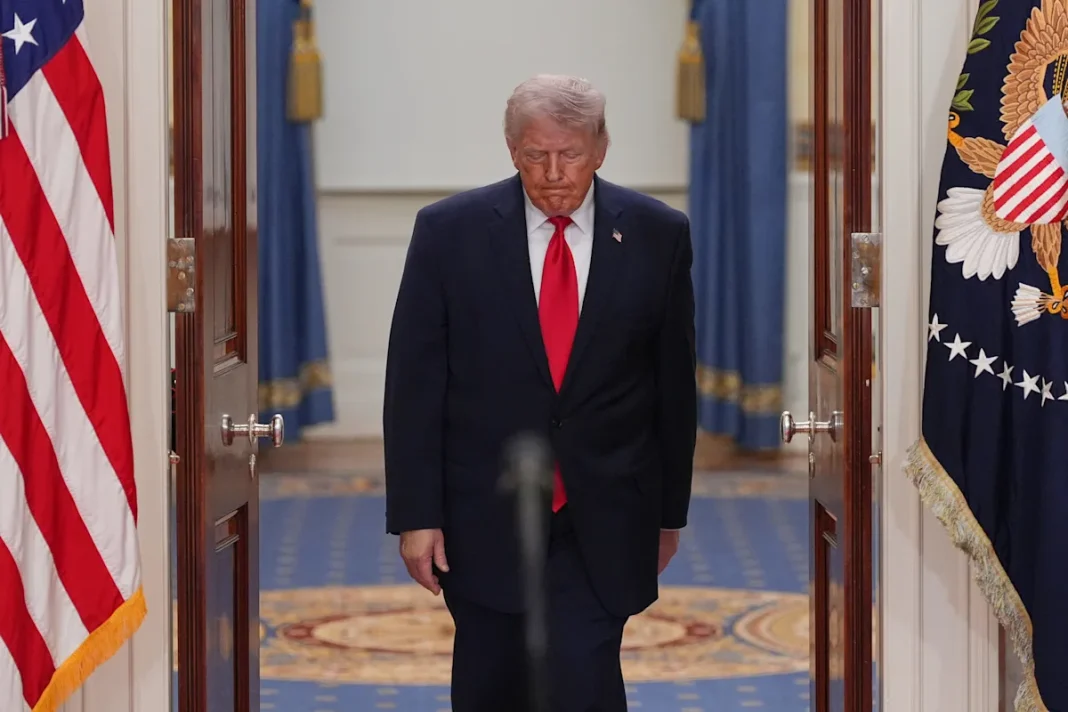
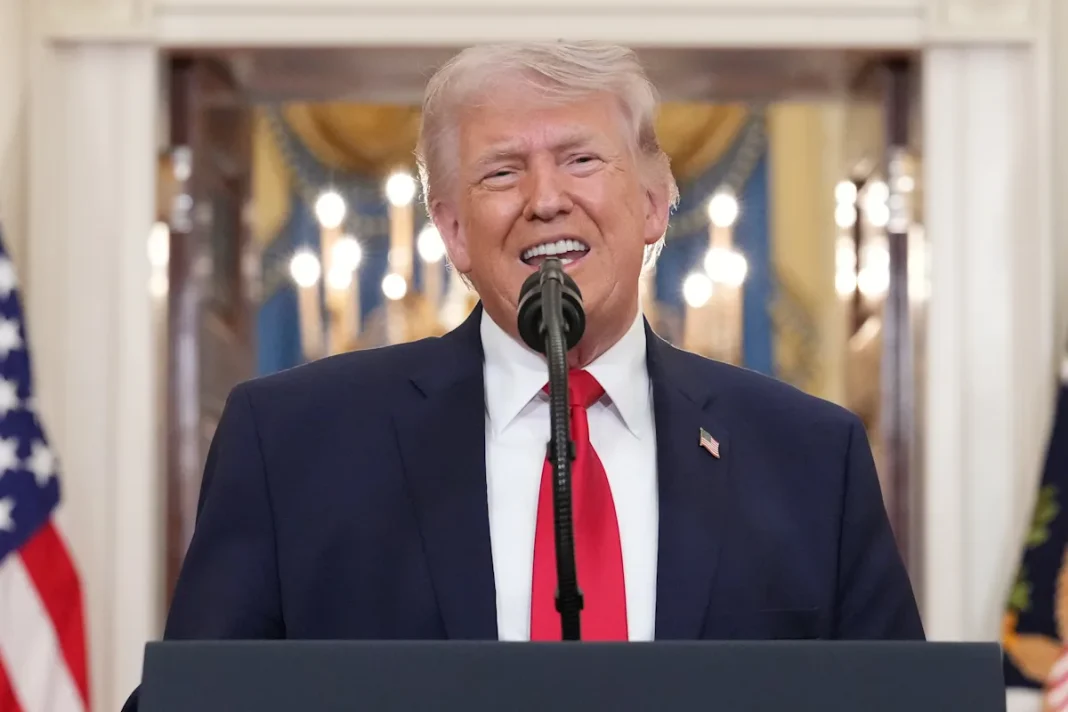

President Trump on Saturday gave Iran 48 hours to reopen the Strait of Hormuz or reach a peace agreement — or face a new round of military strikes targeting the country’s energy infrastructure.
“Remember when I gave Iran ten days to MAKE A DEAL or OPEN UP THE HORMUZ STRAIT,” Trump posted on Truth Social. “Time is running out — 48 hours before all Hell will reign [sic] down on them. Glory be to GOD!”
The deadline traces back to the U.S. threat in March to destroy Iran’s power plants unless the strait fully reopened. Trump extended the window several times as diplomatic contacts continued, settling on Monday, April 6, as the final cutoff.
Iran’s response was mixed. Parliamentary Speaker Mohammad Baqer Ghalibaf had warned earlier this week that his country was “locked, loaded and standing tall,” and an Iranian military spokesman vowed “more crushing, broader and more destructive” attacks. But on Saturday, Foreign Minister Abbas Araghchi signaled some openness to talks, while calling the administration’s 15-point proposal unreasonable. “What we care about are the terms of a conclusive and lasting end to the illegal war that is imposed on us,” he said. Two regional officials told the Associated Press that diplomats from Pakistan, Turkey and Egypt have been working behind the scenes to help both sides find common ground.
Iran did offer a narrow concession Saturday, announcing that vessels carrying essential goods would be permitted to pass through the strait. It was unclear which items Iran would define as essential, and the broader blockade remained in effect.
The Strait of Hormuz — a narrow passage along Iran’s southern coast — is the world’s most critical oil shipping lane, carrying roughly one-fifth of global supply. Its closure has triggered what the International Energy Agency called the largest disruption to the energy supply since the 1970s oil crisis, with roughly 10 million barrels per day lost. Oil prices have surged more than 60% since the war began, and the IEA warned this month that the prices in April are likely to be “much worse than March.”
The 48-hour deadline comes as the U.S. military continues searching for a missing weapons systems officer whose F-15E Strike Eagle was shot down over Iran on Friday — the first confirmed loss of an American warplane over Iranian territory in the war. A U.S. A-10 Warthog dispatched to support the search and rescue effort was also struck by Iranian fire; the pilot ejected over the Persian Gulf and was recovered safely.