

San Franisco, California (tca/dpa) – California backpacking trips this spring and summer requires a Plan A and Plan B. Valerie Ross is dealing with that reality as a volunteer leader for the San Diego Girl Scouts backpacking program, organizing overnight hiking trips for young girls and women to gain outdoor skills.
But this year, weather extremes are leading her and other leaders to rethink when and where they will take the Girl Scouts — making backup plans all the more valuable.
San Diego County’s recent summer-like temperatures have worried Ross, especially with upcoming trips in May to the Cuyamaca Mountains and Eagle Rock in Warner Springs, where water for the hikers could be scarce.
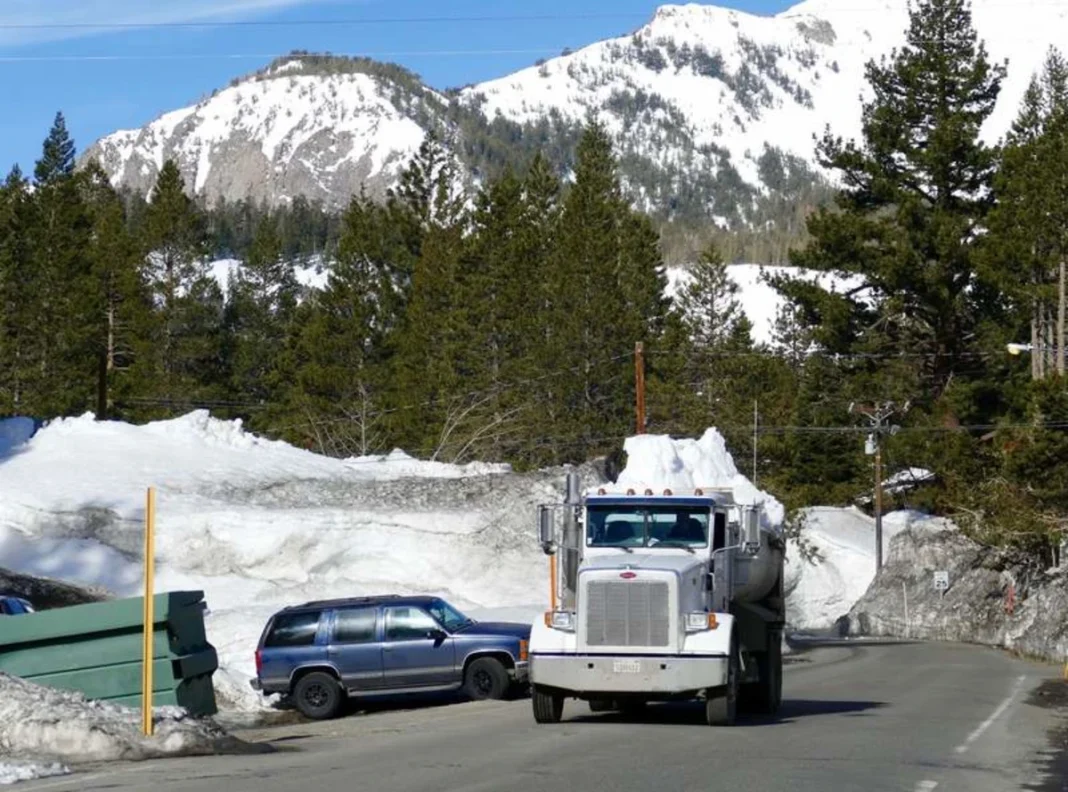
So instead, since the western US is seeing record low snowpack levels this year, leaders are now considering trips up Mount San Jacinto in early May — which would normally be “unthinkable,” Ross says, since the 10,800-foot peak in Riverside County is typically covered in snow until later that month.
While the shortened snowy season could make for ideal hiking conditions on Southern California’s big peaks this spring, the low snowpack levels are causing concern among experts about the longer term impact on water source levels and wildfire risk.
Ross is thinking about those things, too. The Girl Scouts have another 10-day, 70-mile thru-hike planned for the Southern Sierra, including up Mount Whitney, later this summer. If the water from the winter’s snow has dried up by then, she might have to reroute the trip or go somewhere else entirely.
Back closer to home, the forecast this week is calling for some rain in San Diego County, perhaps bringing the heatwave to an end — and more mild conditions for a trip Ross is leading to Eagle Rock this weekend.
“Just whipsaw back and forth,” she said of the weather. “It’s harder to plan.”
Ross, a Rancho San Diego resident, has been backpacking in the High Sierra for the past 50 years. For the last 25, she’s been a volunteer with the San Diego Girl Scouts backpacking program, where she leads basic and advanced backpacking trips for dozens of participants, from seventh graders to adults.
She says “back pocket plans” for the trips are now built into the itineraries as leaders have had to contend more and more with weather fluctuations.
It’s a challenge that the folks over at the San Diego Sierra Club also faced this year, especially since some of its Wilderness Basics Course programs require ample snow to demonstrate winter skills like building snow kitchens, using cramp-ons and clearing snow around their tent.
“The snowpack affects what we can teach,” said the Sierra Club’s outings leader trainer Stefanie Maio.
For all the changes this year, flexibility in planning is something Ross hopes her participants at the Girl Scouts adopt, too. The ability to shift — and understanding that it’s okay to change plans — is one of the skills she wants them to learn, along with learning how to backpack independently.
“My passion is not just getting out there myself, but getting these young people out there and showing them the wilderness and how to travel through it,” Ross said.