
Iran shut the Strait of Hormuz back down Saturday, blaming the United States for keeping its naval blockade in place and saying the ceasefire terms had been broken.
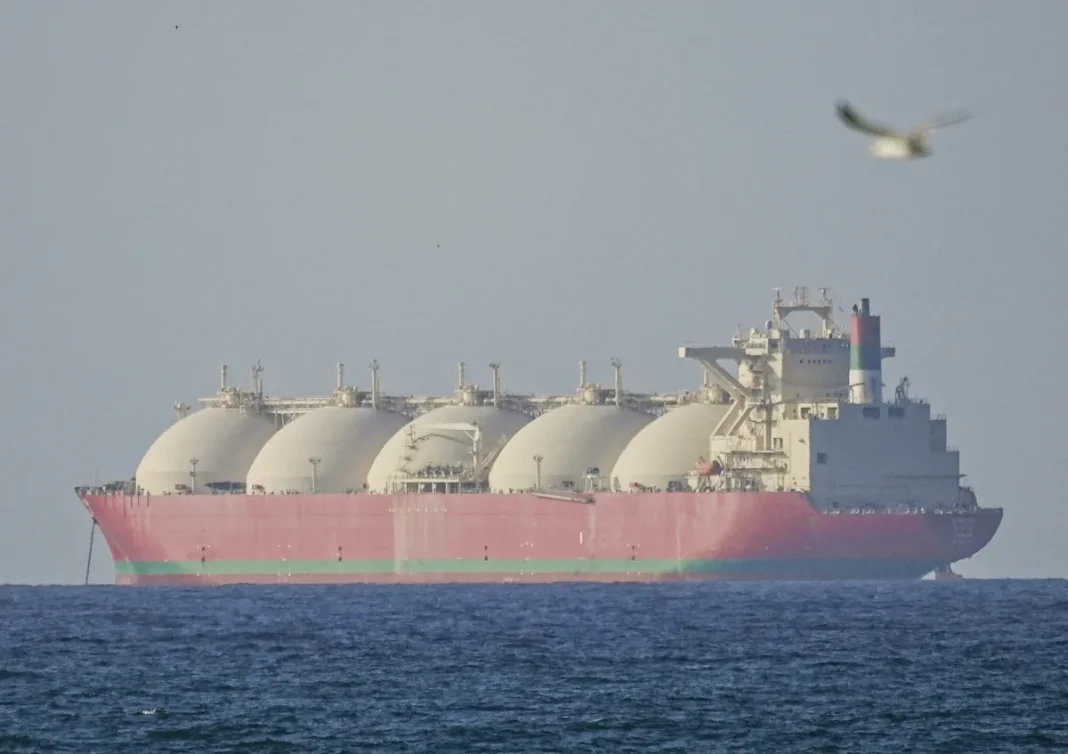
Two Iranian Revolutionary Guard gunboats opened fire on a tanker in the waterway shortly after the announcement, according to the British military. The ship’s captain reported the crew was safe. Iranian forces also forced two other vessels to turn back, according to TankerTrackers.com.
“Control over the Strait of Hormuz has returned to its previous state, and this strategic waterway is now under strict management and control of the armed forces,” a spokesperson for Iran’s Khatam al-Anbiya military command said. “Until America allows full freedom of navigation for vessels traveling from Iran to destinations and vice versa, the situation in the Strait of Hormuz will remain under strict control.”
The reversal came just 24 hours after Iran’s foreign minister declared the strait “completely open,” following a 10-day ceasefire agreement in Lebanon. President Trump called it a major breakthrough, and oil prices fell sharply. But Iran immediately clarified the opening would only last through the ceasefire period, and Trump said the U.S. naval blockade of Iranian ports would stay in place until a permanent deal was reached. Iranian Foreign Ministry spokesman Esmaeil Baqaei called the blockade “a violation of the ceasefire.”
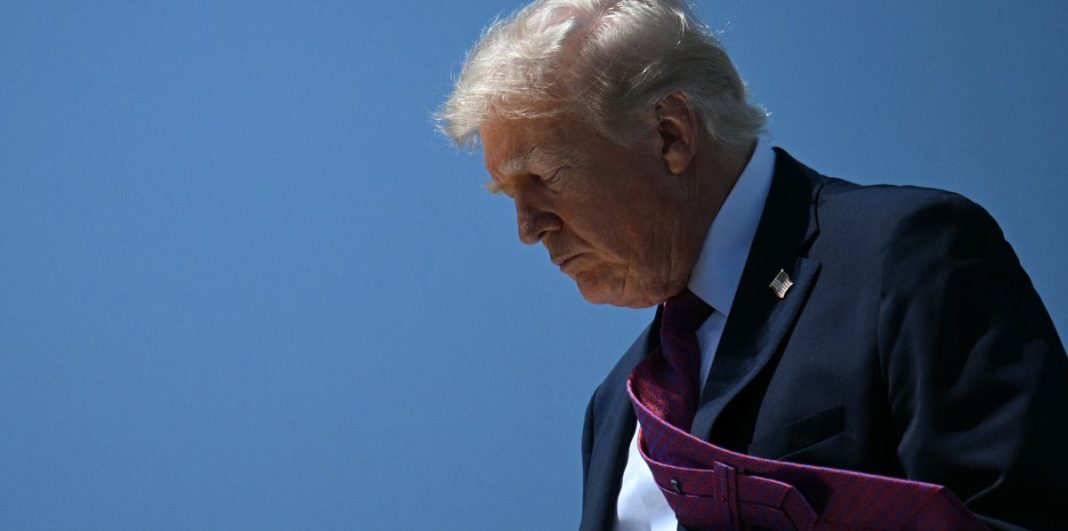
Trump, speaking to reporters aboard Air Force One earlier on Saturday, said the blockade would remain regardless. “Maybe I won’t extend it, but the blockade is going to remain,” he said, while signaling he was open to extending the ceasefire beyond its April 22 expiration.
Ship-tracking firm Kpler said vessels moving through the strait were still limited to lanes requiring Iranian clearance, and even those numbers were a fraction of normal. Before the war, between 100 and 138 ships passed through daily. Since hostilities began Feb. 28, only 279 vessels have crossed in total. The U.S. military said Saturday it had turned back 23 Iran-linked ships since its blockade began Monday.
Roughly 20% of the world’s oil and liquefied natural gas passes through the narrow waterway, and its closure has sent global energy prices surging roughly 50% since the war began in late February. Prices fell nearly 12% Friday on hopes the strait was reopening before Iran’s Saturday reversal threatened to erase those gains.
Despite the escalation, Pakistani officials said the U.S. and Iran are still moving toward a deal ahead of the April 22 ceasefire deadline. A second round of talks is expected in Islamabad as early as Monday, with delegations from both sides set to begin arriving Sunday.