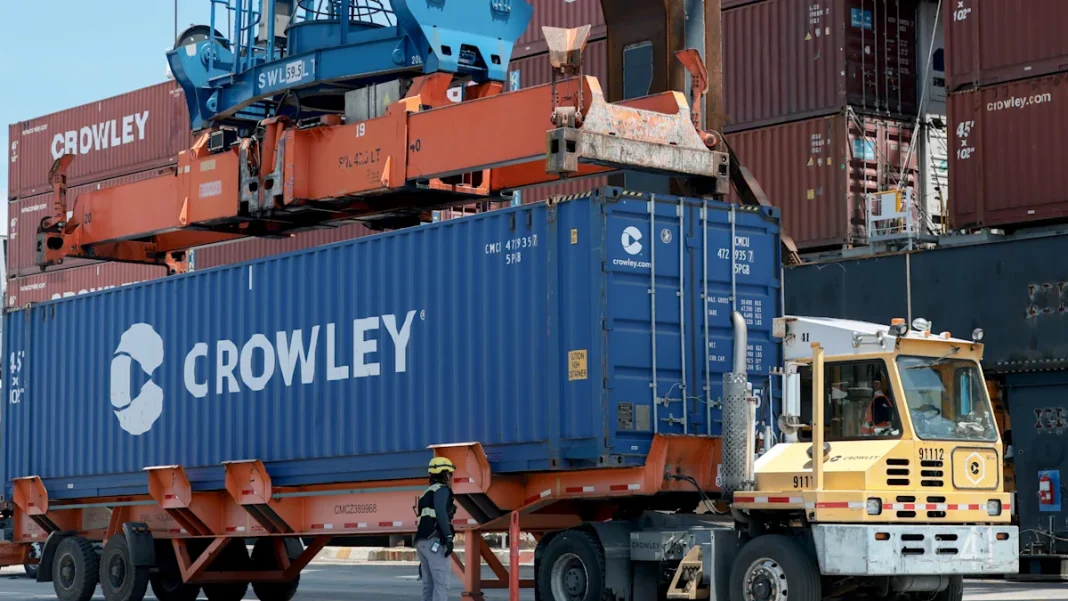

The Trump administration launched a new system on Monday to begin the process of paying back $166 billion in tariffs that the Supreme Court ruled were collected illegally.
Refunding that money, which was a part of President Trump’s sweeping import tax program, will be no easy task. The government estimates that more than 330,000 U.S. companies made a total of 53 million transactions that were affected by the tariffs. To facilitate the process, the administration created an online platform where businesses can file for reimbursement.
The ability to recoup the costs of the now invalidated tariffs could prove to be a significant windfall for a lot of companies. But most experts say American consumers shouldn’t expect to see much of the benefit themselves, even though they bore the brunt of the costs in the form of higher prices. Here are the biggest reasons why.
You didn’t actually pay tariffs
The main reason consumers won’t be getting tariff refunds is because they’re not the ones who paid the tariffs — at least not directly. Tariffs are taxes that companies pay when they import goods or materials into the U.S. Businesses tend to pass along the extra costs of tariffs to consumers by raising their prices.
That happened after Trump put his “Liberation Day” tariffs in place last year. Experts believe that those tariffs contributed to a rise in inflation, with one recent estimate finding that they increased costs on U.S. families by an average of $1,745.
Only the companies that paid the tariffs directly are eligible to file for a refund. If they do get their money back, it will be up to them to decide whether to share some of it directly with their customers. So far, few companies have pledged to do that.
“I got a feeling the American people won’t see it,” Treasury Secretary Scott Bessent said of the money from tariff refunds shortly after the Supreme Court handed down its decision.
One major company that has publicly said it will pass along its tariff rebates to its customers is FedEx.
“Our intent is straightforward: if refunds are issued to FedEx, we will issue refunds … to the shippers and consumers who originally bore those [tariff] charges,” FedEx wrote in a statement in February.
There are other ways that consumers could benefit beyond direct payments from companies. Costco has said its tariff refunds could provide an opportunity to lower prices in the future, for example. It’s also possible that the businesses might use the sudden influx of cash to hire more workers, raise wages or take other steps that help everyday Americans.
Some companies may choose to hold on to their tariff refunds in anticipation of Trump putting a new set of tariffs in place, which he has pledged to do.
“They’re still in a world of uncertainty,” Alex Durante, a senior economist at the Tax Foundation, told the New York Times on Monday.
A group of consumers has filed a class-action lawsuit against Costco seeking to force the company to give its refund directly to customers. If that suit is successful, it could establish a legal precedent that compels other companies to do the same.
Companies might not get refunds either
Before businesses can consider what to do with their refunds, they’ll have to get the money back in the first place, which is not guaranteed.
The Trump administration said that it expects companies to start receiving their refunds 60 to 90 days after their application is approved, but did not say how long that approval process might take. This first phase of refunds also only applies to about two-thirds of the transactions impacted by the tariffs. It’s unclear when the refunds for the remaining transactions will be available.
“My sense is that could be dragged out for weeks, months, years, so … we’ll see what happens there,” Bessent said in February.
Some businesses may even hesitate to apply for refunds out of fear of upsetting the president. In a CNBC interview on Tuesday, Trump discouraged companies trying to get their money back, saying it would be a “brilliant” move on their part.
“If they don’t do that, I’ll remember them,” he added.
Last week, CNBC asked the chief financial officers of 25 major companies whether they plan to apply for refunds. Less than half said yes, and none of them said they intend to directly share the money with their customers.
Refunds make other repayments less likely
Ironically, returning tariff money to companies could make it harder for the government to offer relief to consumers through other means. Late last year, Trump floated the idea of using tariff funds to send Americans a “dividend” of $2,000. The concept hasn’t materialized into a formal proposal, but it doesn’t even work in theory if the government has to give all that tariff revenue away.
Members of Congress have put forward a variety of bills that propose different ways to leverage tariff funds for the benefit of American consumers. Like Trump’s dividend idea, they also fall apart if the money is instead distributed back to businesses.